Message: Return type of CI_Session_files_driver::open($save_path, $name) should either be compatible with SessionHandlerInterface::open(string $path, string $name): bool, or the #[\ReturnTypeWillChange] attribute should be used to temporarily suppress the notice
Message: Return type of CI_Session_files_driver::close() should either be compatible with SessionHandlerInterface::close(): bool, or the #[\ReturnTypeWillChange] attribute should be used to temporarily suppress the notice
Message: Return type of CI_Session_files_driver::read($session_id) should either be compatible with SessionHandlerInterface::read(string $id): string|false, or the #[\ReturnTypeWillChange] attribute should be used to temporarily suppress the notice
Message: Return type of CI_Session_files_driver::write($session_id, $session_data) should either be compatible with SessionHandlerInterface::write(string $id, string $data): bool, or the #[\ReturnTypeWillChange] attribute should be used to temporarily suppress the notice
Message: Return type of CI_Session_files_driver::destroy($session_id) should either be compatible with SessionHandlerInterface::destroy(string $id): bool, or the #[\ReturnTypeWillChange] attribute should be used to temporarily suppress the notice
Message: Return type of CI_Session_files_driver::gc($maxlifetime) should either be compatible with SessionHandlerInterface::gc(int $max_lifetime): int|false, or the #[\ReturnTypeWillChange] attribute should be used to temporarily suppress the notice
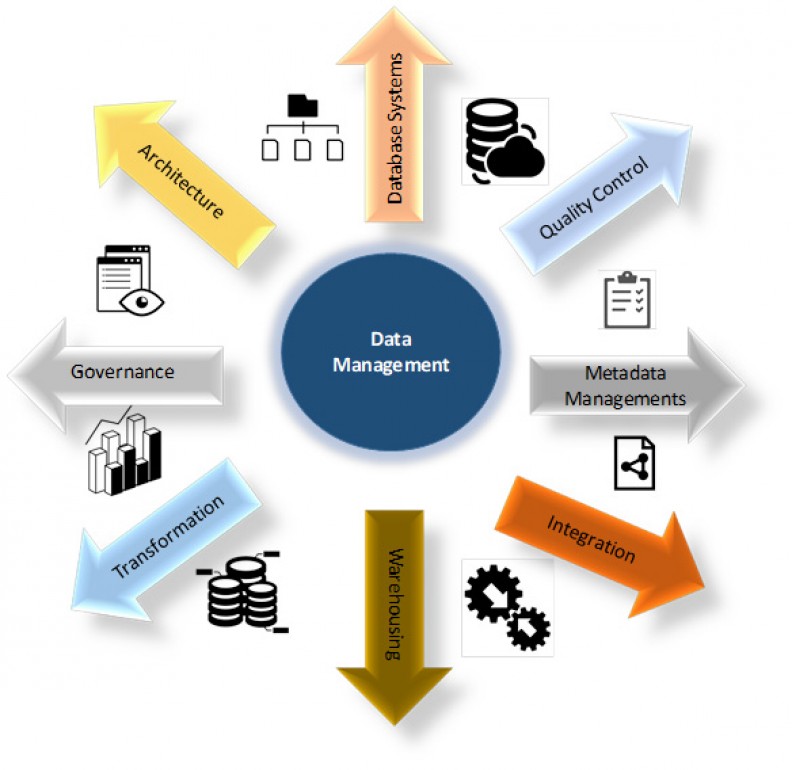
Data management is an administrative process that includes acquiring, validating, storing, protecting, and processing required data to ensure the accessibility, reliability, and timeliness of the data for its users.
Proper data handling and management is crucial to the success and reproducibility of a statistical analysis. Selection of the appropriate tools and efficient use of these tools can save the researcher numerous hours, and allow other researchers to leverage the products of their work. In addition, as the size of databases in transportation continue to grow, it is becoming increasingly important to invest resources into the management of these data. There are a number of ancillary steps that need to be performed both before and after statistical analysis of data. For example, a database composed of different data streams needs to be matched and integrated into a single database for analysis. In addition, in some cases data must be transformed into the preferred electronic format for a variety of statistical packages. Sometimes, data obtained from “the field” must be cleaned and debugged for input and measurement errors, and reformatted.
Digindia innovation’s Data Management Services enables organisations to integrate, transform and improve data through advanced data integration and master data management with ample governance and control.
Our all solutions comes with AI enbaled chat bot using which clients/customers can write questions and get answers immediatley we uses NLP based tehnology in backend
We understand data and the need for source of truth. Whether it is cleaning data, duplication or planning data warehouse architecture, we do it all. Companies need to put forth control over the daily volumes of data that aggregate in paper and electronic form.
We help our customers with Data Management solutions encompassing definition and enhancement of data governance policies, data planning for transformations, operating model definitions, data cleansing activity, and automated & manual validation processes of cleansed data to eventually ensure data stewardship, reduce overall cost and time to market for enterprise data and also help improve efficiencies in the entire data lifecycle.
DATA ANALYTICS
Data analysis is a primary component of data mining and Business Intelligence (BI) and is key to gaining the insight that drives business decisions. Organizations and enterprises analyze data from a multitude of sources using Big Data management solutions and customer experience management solutions that utilize data analysis to transform data into actionable insights.
As a term, data analytics predominantly refers to an assortment of applications, from basic business intelligence (BI), reporting and online analytical processing (OLAP) to various forms of advanced analytics. In that sense, it's similar in nature to business analytics, another umbrella term for approaches to analyzing data -- with the difference that the latter is oriented to business uses, while data analytics has a broader focus. The expansive view of the term isn't universal, though: In some cases, people use data analytics specifically to mean advanced analytics, treating BI as a separate category.
Data analysis is a proven way for organizations and enterprises to gain the information they need to make better decisions, serve their customers, and increase productivity and revenue. The benefits of data analysis are almost too numerous to count, and some of the most rewarding benefits include getting the right information for your business, getting more value out of IT departments, creating more effective marketing campaigns, gaining a better understanding of customers, and so on.
But, there is so much data available today that data analysis is a challenge. Namely, handling and presenting all of the data are two of the most challenging aspects of data analysis. Traditional architectures and infrastructures are not able to handle the sheer amount of data that is being generated today, and decision makers find it takes longer than anticipated to get actionable insight from the data.
Fortunately, data management solutions and customer experience management solutions give enterprises the ability to listen to customer interactions, learn from behavior and contextual information, create more effective actionable insights, and execute more intelligently on insights in order to optimize and engage targets and improve business practices.
Our Data Management and Analytics Solutions:
Digindia innovation Solution provides data and analytics services that enable organizations to leverage their data in-to actionable insights.
Data Integration - Analyse data from its various sources and create a unified view of your data, opening the way to deriving meaningful insight.
Data Quality and Governance - Deliver confidence in your data (right people in the right context), confidence in your ability to accelerate value in your project delivery, and confidence in your skills.
Master Data Management - Integrate core customer, product, and asset information across operational systems for better customer services, lower customer churn, and increased sales penetration and thus revenue.
Financial Performance Management - Help your finance organization optimize performance management processes and excel with better analytics and insight.
Enterprise Analytics - Leverage big data to deepen customer engagement, optimize operations, prevent threats and fraud, and capitalize on new sources of revenue.
Digindia innovation Solution's Data Managed Services delivers, design, develop, maintain, administrate, and support various client’s data management and analytics projects
Our data analytic experts have advanced mathematics and statistics degrees and work with clients in implementing a data analysis strategy that aligns with the business goals and provides quantifiable positive results. Our consultants have extensive experience with tools like SAS, R and Mahout.
Discover research policy and strategic opportunities
Identify technology drivers for change
Data Management Planning
Defining Business Plans and sustainability
Scope initial investigation
Define and analyze new service concepts
Prototype and detailed design of new service
Design detailed structures
Analyze and design data management tools and infrastructure
Managing active data
Preparing Data Catalogues
Creating Data Repositories
Reorganize support services
Implement data management tools and services
Ensure compliance with relevant standards
Report and Dashboard Development
Dashboard / Reporting / design and development
Setup Ad-hoc reporting
Conduct UAT
Release Dashboards and schedule for updates
Stakeholder expectations and Dashboard objectives
Business context and constraints
Tools and technology choices
Internal and external data sources
Envisaging outputs/dashboard
Exploratory data analysis
KPIs used in industry, best practices
Analyses and KPIs to address business problems
Stakeholder sign-off on KPIs
Refresh frequency decisions
Map data sources to target database
Data cleansing and consistency checks
Data transformations and KPI construction
Load data into the target database
Mock-ups and wireframes
Revise with stakeholders
Build dashboard prototype
Conduct User Acceptance Testing
Release dashboard and schedule for updates
Case Studies
Client wanted to quickly prove the value of a product analytics capability to the larger organization There was little understanding of why churn for one of the client’s most downloaded apps was so high User retention is dependent on user satisfaction and fitness habits
A major global sportswear brand needed to understand why users were churning from their app at such a high rate and how to create more relevant app features.
Ms Office Solution developed methods to understand the patterns of customer behavior so that the client could make better marketing and product development decisions.
,
Needed the ability to easily scale their data science platform to enable emerging use cases Wanted to alleviate the operational burdens of a custom deployment while maintaining flexibility and avoiding vendor lock-in
A global insurance company needed a design to easily, quickly, and dynamically scale a service infrastructure to support real time data science workloads up to 3 PB.
Ms Office Solution advised the client on how to move big data workloads into the public cloud.
,
Legacy systems were fragile and complex, preventing future additions Future business growth potential depended on the ability to add new data and improve analytics
We performed an in-depth analysis of their business objectives, priorities, architecture, and data environment. The result is a roadmap for technical capability development that is designed to address those needs tied to the most pressing and valuable business aspirations. They are now equipped to move forward toward their goals.
,










Case Studies